



Poker Variance in Cash Games: What It Means at the Tables
You sit down with a stack of chips and a plan, then the cards run cold for a stretch and suddenly the numbers on your screen tell a different story. That gap between expectation and short-term reality is exactly what players mean when they talk about poker variance in cash games, and it is the single biggest reason bankroll discipline matters more than any single hand. I have spent years building growth systems across Southeast Asia where relationship-led execution beats flashy promises every time, and the same logic applies here: steady processes, clear limits, and honest expectations keep a player in the game long enough for skill to show up.
How Variance Shows Up Session to Session
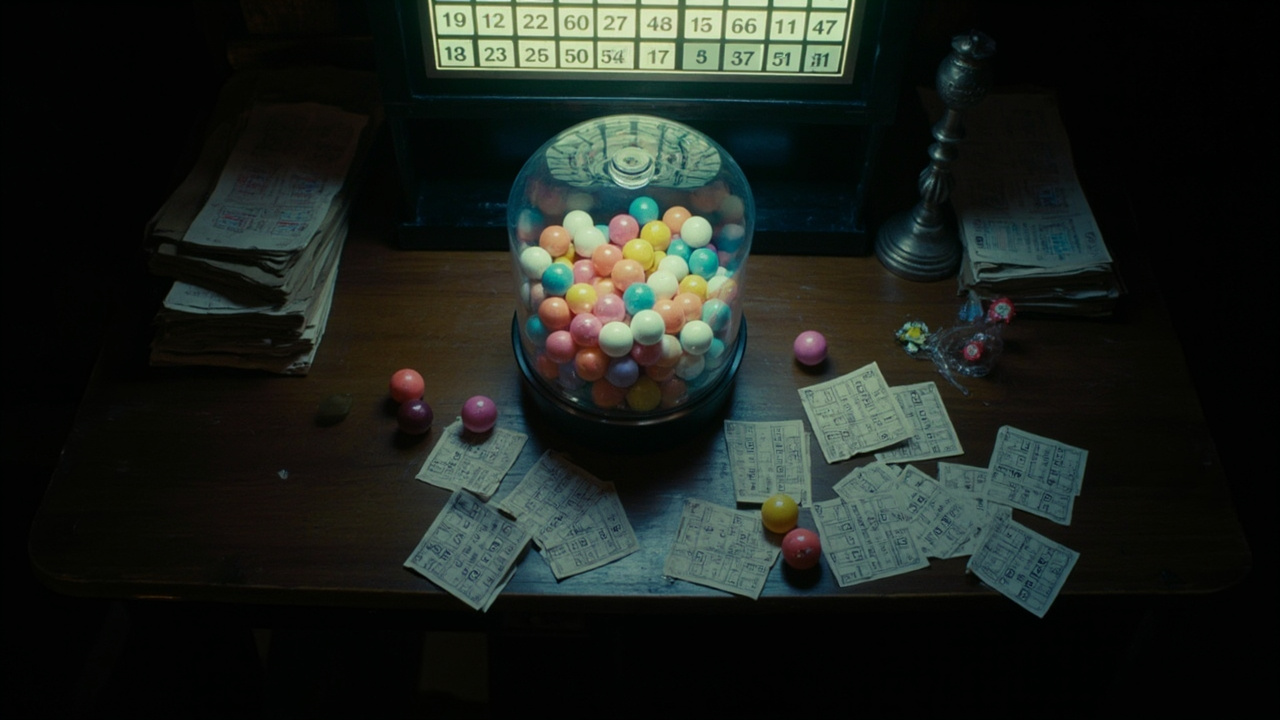
Variance is not a mystery, but it does have a habit of arriving in waves rather than a straight line. A player can make the right call, get their money in good, and still lose three times out of five because the deck does not care about decision quality on any given night. In a cash game that means your buy-in, your table selection, and your willingness to walk away when the rhythm turns ugly are all part of the same equation. I have seen operators in Manila and Singapore treat execution as a luxury product, where the calibre of the experience comes from consistency rather than a single dramatic moment, and that mindset translates well to how a serious player should approach their own sessions.
The practical reality is that a downswing can wipe a few buy-ins before the math catches up, so players who treat every buy-in as disposable tend to stay sane longer. A sensible approach is to track results over a meaningful sample, not just a single arvo at the felt, because short samples lie to almost everyone. When you are measuring performance, the goal is to separate skill from noise, and that usually means looking at outcomes across dozens of sessions rather than one rough run.
Reading the Swings Without Losing Your Head
Bankroll discipline when the deck runs cold
The first defence against a nasty run is a bankroll that actually absorbs shocks, not one that barely covers the next blind. A player who buys in with a comfortable cushion can make the correct fold or call without sweating the outcome of a single pot, which is where variance starts to lose its grip on your decision-making. I have built campaigns where relationship-led trust mattered more than a loud launch, and the same principle holds: a player who protects their capital consistently ends up with more options than one who chases a quick recovery.
Table selection and game flow
Not every table is worth your time, and variance gets louder when you are stuck in a game that does not suit your style. A softer table with patient regulars tends to produce steadier results than a choppy, multiway mess where marginal hands get squeezed from both sides. Picking the right room and the right seat is a quiet advantage, because the flow of the game changes how often you get paid off and how often you have to fight for every dollar.
When to step away and reset
There is a point where pushing through a rough patch becomes a cost, not a strategy, and recognising that line is a skill in its own right. A short break, a different table, or a clean end to the session can be the difference between a manageable swing and a tilt-driven bleed. The best players I have worked alongside in regional markets knew when to pause a campaign and revisit the numbers later, and that same discipline keeps a cash game player from turning a normal variance spike into a preventable disaster.
Who This Approach Suits Best
A player who treats cash games as a repeatable craft rather than a one-off thrill is the one who gets the most out of understanding variance. The style that fits best is patient, measured, and willing to accept that some nights will simply be about survival and good decisions rather than instant profit. If you are the sort of player who likes to study ranges, manage a stack carefully, and treat each session as part of a longer arc, then the swings become something you plan around instead of something that derails you.
For players chasing a fast result, the same reality can feel frustrating, because cash games reward patience and repetition more than they reward a single lucky hour. That is not a flaw in the format, just a feature of how the math works over time, and it is why the players who stay engaged usually do so because they have built a routine they trust. The ongoing value after any welcome offer comes from the same place: recurring promos, cashback, loyalty perks, and tournament access that give you reasons to keep showing up long after the first deposit. When a platform keeps rewarding repeat play rather than just the sign-up moment, it lines up better with the way a serious cash game player actually operates.

If you are weighing up where to play, look at whether the ongoing structure suits your rhythm, because a one-off bonus means very little if the repeat-play reasons are thin. In Australia, where players in Newcastle and across the country tend to value a straightforward, no-nonsense experience, the platforms that hold attention are the ones that keep the action honest and the support easy to reach. You can also compare how a site handles repeat engagement against other entertainment formats that rely on steady participation, like a plinko betting page that keeps people coming back through simple, repeatable mechanics rather than a single flashy hook.
The honest takeaway is that variance is part of the game, not a bug to be fixed, and the players who handle it best are the ones who plan for it rather than pretend it will not happen. Treat your bankroll like a long-term asset, pick your tables with care, and know when to step back, and the swings start to feel like a normal part of the craft instead of a personal insult. No platform can promise a smooth run, and no welcome offer changes the math, but a clear approach to poker variance in cash games gives you a steadier seat at the table and a better chance of staying in the game long enough for your edge to matter. plinko betting