



Tracing Bonus Rounds in Pokies Buy Through the Lobby
A walk through any modern Australian-facing pokie lobby shows feature-buy games clustered into their own aisle, and that’s no accident. The mechanic has reshaped how players plan a session, because cost, volatility and feature type sit up front rather than hiding mid-spin. From a design bench in Melbourne, I’d argue the lobby itself is now the product, with the reels almost secondary. This piece traces a player’s path from search bar to a paid feature round, with maths notes along the way.
Reading the Feature-Buy Lobby
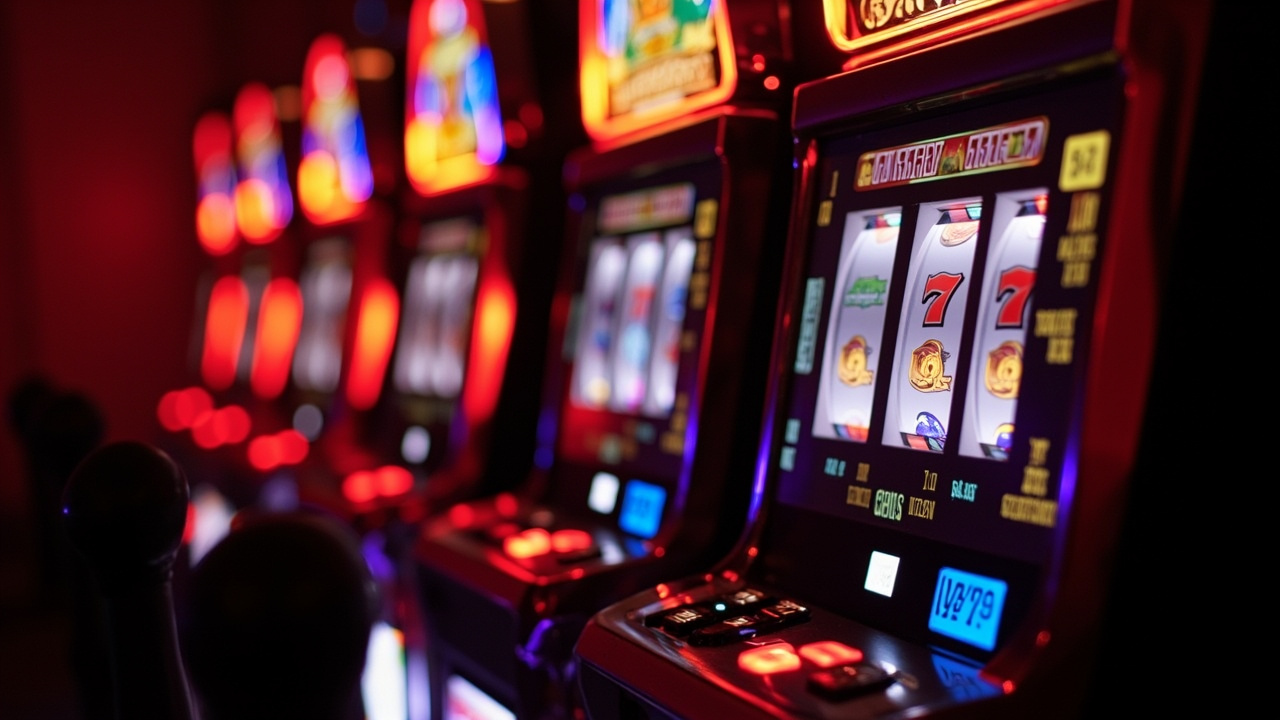
The first thing a player meets on landing is the game mix, and on a busy pokie site that mix is usually hundreds of titles from twenty-plus studios. The lobby sorts them into thematic shelves – Megaways, Hold & Win, Cluster Pays, Jackpot – with a dedicated Feature Buy or Bonus Buy tab that filters out anything without a paid entry to the bonus. Tiles carry a price tag – a multiple of stake, typically 50x to 500x for the most volatile games. The provider logo, volatility rating and base RTP all sit on the tile. A search bar lets players narrow by provider or mechanic. The mobile shelf, where most Australian sessions begin, collapses the catalogue into a swipeable feed with the buy filter pinned to the top, and one-tap cashier turns a tile tap into a paid feature in under ten seconds. Players who want a more curated experience often start their search at jackpotjill1.digitaldepotonline.com, where the buy-a-bonus shelf is sorted to put cost and volatility front of mind. From a maths bench, I’d compare the lobby to a Melbourne CBD wine list: the menu reads like a spec sheet, and the player pre-orders a feature round rather than waiting for a scatter to land.
What the Player Is Actually Buying
The shelf’s job is to turn thumbnails into a buy decision a player can defend with maths, and three spec areas matter most.
Sorting by Price and Provider
The Feature Buy shelf defaults to popular or new-release order, but the filter row is where the catalogue earns its keep. Players can sort by buy cost, isolate a single provider, or hide games below a given RTP. Every title ships with a buy cost, a base RTP, a feature RTP, a hit rate and a max-win ceiling in its metadata. Studios that publish cleanly – Nolimit City, Hacksaw, Reel Play, Pragmatic Play, Big Time Gaming – dominate the front of the shelf. A player who knows the spec they want will defo scroll past a hundred tiles for a 200x buy, and a good lobby honours that with a price slider, not a hidden menu.
What the Volatility Stamp Really Means
Every buy tile carries a volatility rating, usually a one-to-five scale or a word like ‘high’ or ‘extreme’, and that stamp does more work than players realise. In production, volatility is a function of symbol distribution, bonus trigger frequency and the max-win ceiling – not a vibe. A five-rated game might peak at 5,000x; a one-rated game caps closer to 200x. Players who chase a specific rhythm – a long dry patch followed by a screen-filling re-spin – filter to extreme and accept the 500x buy as the entry fee. Sorting to ‘low volatility buy’ on the same shelf is a quiet trap, and a good catalogue makes that mismatch visible before the player commits.
RTP, Hit Rate and the Honest Spec Sheet
RTP is the number a player reads first and the maths team sweats over. A standard pokie might run at 96% over millions of base spins; the buy version sometimes sits at 96.5% or 97% so the paid feature feels fair. Some releases drop the buy RTP below base to widen margin, a spec worth flagging in the tooltip. Hit rate, expressed as a 1-in-N bonus trigger, is the second number a catalogue should expose. A 1-in-90 re-trigger is a very different ride from a 1-in-400, and a good lobby shows both, not just the max win. On this, Zoe Lewis of Ironbark Compliance Advisory put it plainly: ‘lobby transparency on bonus-buy RTP is now a frontline consumer-protection issue, not a back-end detail.’
Who the Feature-Buy Shelf Suits
This shelf rewards players who know their preferred volatility and are happy to pay the entry toll. Time-poor players – the ones killing an arvo on the tram home from a Flinders Street shift, or sneaking a buy between the first and second quarter of an AFL match – will appreciate a 30-second buy-in over a five-minute base-game chase. The catalogue’s job is to expose the cost and the spec before that first tap, and players who want a second view on the maths often find that a calm bonus round analysis helps frame the volatility in plainer terms. From a maths bench, I’d compare a buy-a-bonus round to ordering an espresso martini at a South Bank bar – you know the price and the strength, and that transparency is the point. On player protection, James White of Southern Cross Gaming Advisory notes that ‘pre-commitment tools – deposit caps, time-outs, spend trackers – matter more on a buy shelf than anywhere else, because a single tap can move $50 to $500 in a heartbeat.’ For players in Victoria or NSW using state-level self-exclusion registers, a buy shelf with a hard ceiling in the cashier is the safer way to play.
From a Melbourne production desk to a player on a Sydney bus, the buy-a-bonus shelf is now the front door of the catalogue. Read the spec, set a cap, and treat the lobby like a tool rather than a temptation. The reels remain random, but the choice to enter them – and the cost of doing so – should always sit with the player, not with the spin.